Whole grain bread is often seen as the healthier option, but is it actually good for you? And what does “whole grain” really mean anyway? In this post, I’ll look at what whole grain bread is, its main benefits and possible downsides, and whether it really deserves its healthy image.
So, Is it Healthy?
Yes, whole grain bread can be a healthy choice because it usually contains more fibre and nutrients than refined white bread. That said, not every loaf is equally healthy, so it’s still worth checking the ingredients for things like added sugar, preservatives and how much whole grain it actually contains.
What Is Whole Grain Bread, Exactly?
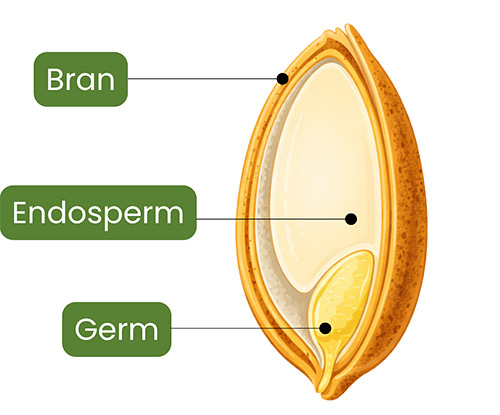
Whole grain bread is made using flour that contains all parts of the grain kernel, not just the starchy middle part. That means it still includes the bran, germ and endosperm.
In the UK, you’ll also see the word wholemeal, which is the term commonly used for whole grain bread. Bread labelled wholemeal must be made with 100% wholemeal flour.
The 3 parts of a whole grain
- Bran – the outer layer, which contains most of the fibre
- Germ – the part that can sprout into a new plant, and it contains healthy fats as well as vitamins and minerals
- Endosperm – the soft middle part, which is mostly starch along with some protein
Why keeping all 3 parts matters
When grains are refined to make white flour, the bran and germ are usually removed. That means a lot of the fibre and some of the natural nutrients are lost in the process.
Whole grain bread keeps all three parts of the grain, which is why it is usually more nutritious than regular white bread.
A simple way to think of it is this: whole grain bread uses the whole grain, while white bread uses only part of it.
Benefits of Whole Grain Bread
Because whole grain bread keeps all parts of the grain, it usually has more to offer nutritionally than refined white bread.
1. It can help you get more fibre
One of the clearest benefits of whole grain bread is that it contains more fibre than white bread. In UK dietetic guidance, two slices of wholemeal bread provide around 7g of fibre. Fibre helps keep digestion moving, supports regular bowel movements and can also help you feel fuller after eating.
Some research also suggests that higher-fibre bread may be better for gut health. For example, in one small study, replacing white bread with high-fibre bread increased the variety of beneficial bacteria in the gut.
2. It can give you more vitamins and minerals
Because whole grain bread keeps the bran and germ, it contains more of certain nutrients that are partly lost when grains are refined. That includes minerals like magnesium, phosphorus and potassium, along with some B vitamins.
3. It can support heart health
Because whole grain bread is a source of whole grains, it may also support heart health as part of a balanced diet. Large studies have linked eating more whole grains with a lower risk of heart disease, and in one randomised trial, increasing whole grain foods helped reduce blood pressure.
4. It may help with blood sugar balance
Whole grain bread may be a better choice for blood sugar than white bread because it contains more fibre and is digested more slowly. One review of clinical trials found that people eating whole grain foods tended to have better fasting blood sugar levels than those eating refined grains.
5. It can help you stay satisfied for longer
Whole grain bread can be more filling than white bread, mainly because it contains more fibre. That can help you feel less hungry between meals and make you less likely to reach for a snack soon after eating. In one small study, whole grain rye crisp bread kept people fuller than refined wheat crisp bread.
6. It may help lower cholesterol
Whole grain bread may also help with cholesterol, especially when it replaces refined grain foods in the diet. In one clinical trial, eating wholemeal wheat foods for 3 weeks lowered both total and LDL cholesterol in healthy adults.
7. It may support a healthier weight over time
Whole grain bread may also help with weight management, mainly because it is more filling and can help you stay satisfied between meals. That said, the research is mixed. Some studies link higher whole-grain intake with a healthier body weight over time, but clinical trials have not shown strong weight-loss effects from whole grains alone.
Is Whole Grain Bread Always Healthy?
Not always. Whole grain bread can be a good choice, but some loaves are much better than others.
The ingredient list matters more than the front of the pack
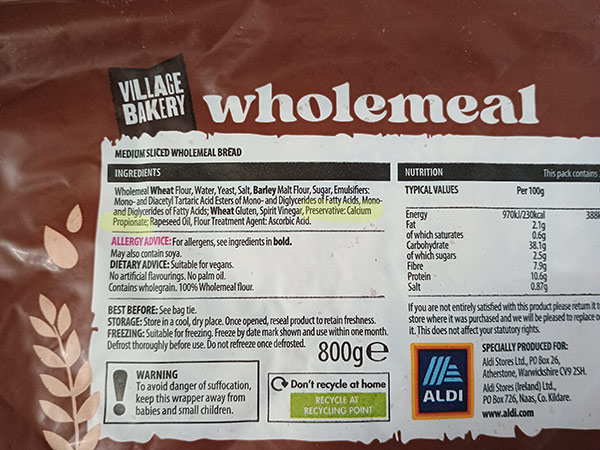
A loaf can sound healthy without containing much whole grain. The best thing to do is check the ingredients list and look for a whole grain flour first. If a bread is labelled 100% whole grain, that is a stronger sign than just whole grain on the front.
Some loaves also contain added sugar and quite a bit of salt
Whole grain bread can still contain added sugar, and it can also add more sodium to your diet than you might expect. Even one slice of whole-wheat bread can contain about 150mg of sodium, which works out at roughly 0.4g of salt, so it is worth checking the label, especially if you eat bread often.
Brown does not always mean whole grain
Some breads look darker because extra ingredients have been added, not because they contain more whole grain. That is why it is better to check the ingredients list than rely on the colour of the loaf.
It can still contain extra ingredients
Even if a bread contains whole grains, it can still come with preservatives, vegetable oils, emulsifiers and other added ingredients, so whole grain should not be the only thing you focus on.
Possible Downsides of Whole Grain Bread
Whole grain bread can be a healthy choice, but it does have a few downsides worth knowing about.
- It can upset digestion for some people. Because it contains more fibre, whole grain bread can sometimes cause bloating, gas or stomach discomfort, especially if you are not used to eating much fibre.
- It may contain more pesticide residues than refined bread. Since whole grain bread keeps the outer layers of the grain, it can also retain more residues than refined flour bread. Organic may be worth considering if this is something you want to limit, as organic foods tend to have fewer pesticide residues overall.
FAQs
Is whole grain bread better than white bread?
Usually, yes. Genuine whole grain bread gives you more fibre and usually more vitamins and minerals than white bread, which is one reason it is often the better everyday choice. But it still depends on the loaf, because some whole grain breads are more processed than others.
Is whole grain bread high in carbs?
Yes, it is still a carbohydrate-rich food. The reason it is often a better choice than white bread is that the extra fibre can slow digestion and have less of an effect on blood sugar.
Can you eat whole grain bread every day?
Yes, for most people. Higher-fibre starchy foods such as wholemeal and wholegrain bread are part of healthy eating guidance, so whole grain bread can fit into an everyday diet as long as it suits you and the loaf itself is decent quality.
Is sprouted whole grain bread good for you?
It can be. Sprouted bread is made from grains that have started to germinate, and that changes the grain before it is turned into bread. In one small clinical study, sprouted-grain bread led to a lower blood sugar response than some other breads, so it can be a good option, especially if you are looking for a bread that may be gentler on blood sugar.
Is whole grain pita bread healthy?
Yes, in many cases it is. Whole grain pita is usually higher in fibre than white pita, but the overall quality still depends on the ingredients, as some packaged versions can contain added sugar, oils or other extras.
Is whole grain rye bread good for you?
Yes. Whole grain rye bread can be a healthy option because it is rich in fibre, and some research suggests it may keep you fuller and have a gentler effect on insulin than refined wheat bread. One study found lower insulin demand after rye bread, and another found whole grain rye crisp bread was more filling than refined wheat crisp bread.
Is whole grain bread good for diabetics?
Yes, often it is. Wholegrain bread is usually a better option than white bread because it is higher in fibre and tends to have less of an effect on blood sugar, although portion size still matters.
Is whole grain bread healthy for kids?
Yes, generally it is. Wholegrain bread can be a healthy choice for children, but for under-2s it is best not to rely only on wholegrain starchy foods, because the extra fibre can fill them up before they get enough calories and nutrients.
What’s the difference between whole grain, whole wheat and multigrain bread?
Whole wheat bread is made from the whole wheat grain.
Whole grain bread is a wider term. It can include wheat, rye, oats or other grains, as long as the whole grain is used.
Multigrain simply means the bread contains more than one grain, but those grains are not always whole.
So the main thing to remember is this: whole wheat is a type of whole grain, while multigrain is not automatically whole grain or healthier.
So, what’s the verdict?
Whole grain bread is usually a better option than white bread, mainly because it contains more fibre and more of the grain’s natural nutrients. But not every loaf deserves a healthy label, so the best choice is one that is genuinely whole grain and does not come with too many unnecessary extras.

