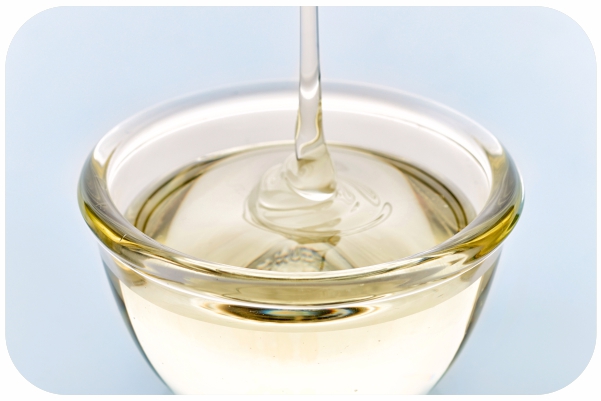
The syrups They usually contain concentrated solutions of sugars such as sucrose, either in distilled water or juices, such as pear or apple. Sugar-free syrups are worth considering; Today it is easier because we have many alternatives, some of them very affordable, such as quality agave syrup.
Difference between syrups and syrups
The syrups They have been used long before sugar was discovered: then they were prepared with honey. The use of syrups became widespread because they help to mask the unpleasant taste of drugs, and because they are stored for longer.
Instead, the syrups they are, or should be, the concentrated juice of a fruit –such as the apple–, or else the result of extracting the sap of some trees –such as the maple– or of plants from which part of the water has been removed ( and the sugars are concentrated). There are quality syrups that are still made with honey. And now also with agave syrup, which is also used in confectionery and cooking in general. And it is a good substitute for honey in vegan cooking. Authentic vegetable and organic syrups, such as dark agave, apple, yacon, maple, cereal (rice, barley) and coconut syrups are among the healthiest. As a food, syrups are so energetic and rich in carbohydrates that they should be taken in moderation by people with high physical activity.
dark agave syrup
Blue agave is the natural sweet substance produced by hydrolysis of the fructans stored in the plant. This sweetener has become popular for its prebiotic capacity and low glycemic index (lower than that of sugar) compared to other syrups and natural honeys.
Dark agave syrup has become popular for its prebiotic capacity and low glycemic index
maple syrup for weight loss
It is the essential ingredient in the popular form of fasting known as the “Lemon Syrup and Lemon Juice Cure,” which is usually followed for seven days. The preparation is simple to make, you just have to mix 14 tablespoons of quality syrup with the juice of 3 freshly squeezed lemons, a pinch of cayenne powder and 2 liters of water. The usual thing is to drink two liters a day.
Medicinal syrups on the market
In the good herbal dietetics we will find quality syrups that contain ingredients from organic farming. However, many years have had to pass before they have taken care of formalizing it. Now in their catalogs and labeling it is already possible to find clarity in this sense: there are biological ones, but not all of them.
Some companies close to the pharmaceutical universe also offer the first interesting organic syrups, but in general they contain excess sugar or sweeteners that are not recommended, designed so that children accept the taste, for example, in case of colds or the common flu. Precisely at this winter time we suggest some syrups or cough syrups, as an example.
Natural syrups in case of cough
The syrups or cough syrups They are preparations that are mainly made up of an infusion to which sugar or honey is added to improve its flavor (it helps to disguise the bitter taste of some plants) and the preservation of the syrup. Honey also helps to soften the throat, and different types of honey can be chosen, depending on its properties. Sugar and honey can be replaced by another sweetener, such as agave syrup. The syrup to calm the cough helps to soften the mucus produced in the bronchi. Its virtues depend on the medicinal plants used, which generally have mucolytic, antitussive, expectorant and antispasmodic properties to calm cough. They are a resource that, with therapeutic follow-up, is usually an excellent complement to conventional treatments.
Onion has anti-inflammatory, mucolytic, antitussive, expectorant and antibiotic properties
Two types of cough
It is important to distinguish between productive cough (with presence of mucus) or dry cough (no mucus). In dry cough, syrups with plants with sedative properties of bronchial spasms and plants with many mucilages will be used. In any case, if the cough does not improve, you should see a doctor.
- Onion and honey syrup: It is one of the main natural syrups to combat cough. Being one of the oldest and most traditional, there are several versions. Onion is the richest food in quercetin which, together with its essential oils, is a great resource for the bronchial tubes thanks to its anti-inflammatory, mucolytic, antitussive, expectorant and antibiotic properties. Sometimes the same syrup is made with garlic, or with a combination of garlic and onion.
- Lemon and honey syrup: Prepare a syrup with the juice of 4 lemons and 3 tablespoons of honey. Mix well all the ingredients. Let stand 48 hours and take 4 times a day, until the cough subsides. Store in the refrigerator (better not to store more than 48 hours).
- violet syrupDirections: Macerate about 50 grams of violet flowers in half a liter of water for 12 hours. Add 200 gr. of honey and reduce the heat for 5 minutes, without letting it boil so that the honey does not lose its properties. 1-3 tablespoons 2-3 times a day.
- Anise and thyme syrup: Cook over low heat for 10 minutes in half a liter of water: 1 teaspoon of liquorice (in slices), a teaspoon of thyme and a teaspoon of anise seeds. Cover and do not let it come to a boil. Add 200 g of panela sugar and leave to cool. Strain the mixture well and store it in a glass bottle. Store in the refrigerator and consume within 2-3 days.
- ginger syrupDirections: Marinate fresh ginger in honey, strain and use.
- with other plants: We can also prepare excellent syrups for coughs, such as (among others) those made from plantain, garlic, fennel, eucalyptus, cumin, thyme and elderberry.

