This page may contain affiliate links — they are marked with a *. Making a purchase via my affiliate means I receive a small share of the sale.

Choosing the best sunglasses for cycling isn’t just about finding a pair that looks good with your helmet (although obviously, that helps). The right pair can protect your eyes from harmful UV rays, wind and debris while giving you clear vision across different light and weather conditions.
And there’s a lot to consider. Do you need photochromic lenses? Are polarised lenses better for cycling? Does lens colour matter? What about coverage, peripheral vision and prescription lenses?
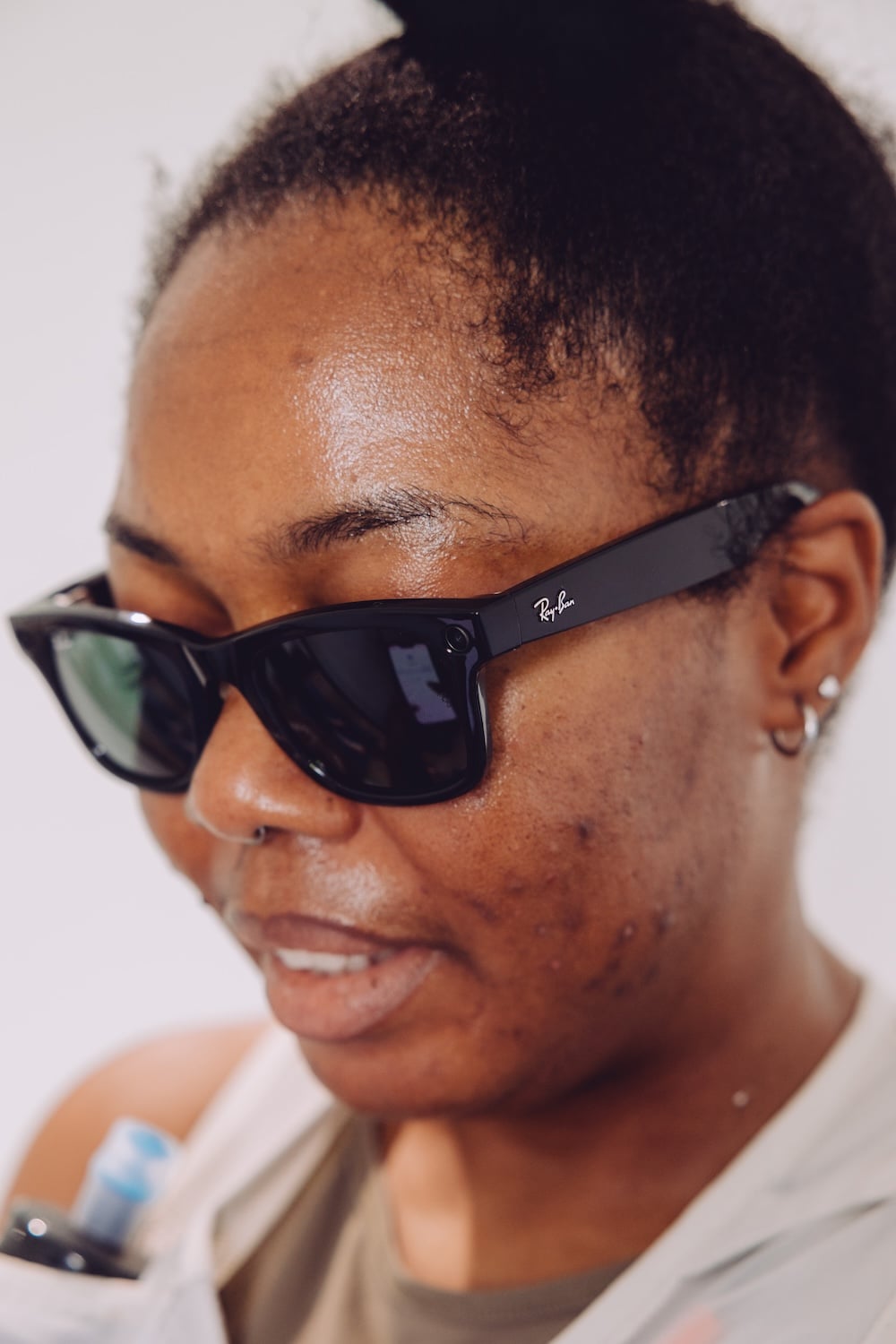
I’ve worn quite a few different pairs of sunglasses over the years, from dedicated cycling sunglasses to more lifestyle-focused options. Most recently, I’ve been experimenting with something a little different: the Ray-Ban Meta Wayfarer Gen 2.
Cycling With Ray-Ban Meta Wayfarer Gen 2 Sunglasses

I got my Ray-Ban Meta Wayfarer Gen 2 sunglasses from SmartBuyGlasses after they gifted me a voucher towards a pair. I chose the shiny black frames in size 50 (medium) and paid the remaining balance myself.
I’d been curious about the Ray-Ban Meta glasses for a while, particularly for the built-in camera. As someone who creates cycling content, being able to capture footage completely hands-free sounded incredibly useful. Cycling is one of those occasions where, funnily enough, having both hands available is generally quite important.
And that’s probably where I’ve found them most useful.
The camera captures footage from my point of view without me needing to reach for my phone or mount another camera. I can take a photo or start recording using the controls on the glasses or with voice commands. The downside is that you’re limited to that first-person perspective — you can’t exactly turn the camera around and film yourself — but I have a similar limitation when wearing my DJI action camera on my chest.
The built-in speakers have been surprisingly handy too. I can listen to music, but one of my favourite uses so far has been navigation. I wore the glasses while cycle commuting into London when I wasn’t completely sure of my route and could hear my directions through the glasses as I rode.
Battery life has also impressed me, particularly because the case charges the glasses when you put them away. They’re comfortable, the controls are simple and they’ve stayed securely in place while I’ve been riding.
Are Ray-Ban Meta Glasses Good for Cycling?
Here’s the catch: while I really like using my Ray-Ban Metas on the bike, I wouldn’t necessarily choose them as cycling sunglasses.
The Wayfarer is fundamentally a lifestyle frame rather than a pair of performance cycling glasses. The lenses are relatively small compared with the large lenses you’ll see on most modern cycling sunglasses, and I find the thicker rims restrict my field of vision and peripheral vision more than I’d like when riding.
There’s also less overall coverage than I get from my dedicated cycling sunglasses. Purpose-built cycling glasses tend to use larger lenses and frame designs intended to give you a wide field of view while helping to protect your eyes from wind, dust and debris.
I chose green sunglass lenses for my Metas, which work well in bright conditions but also limit when I can use them. If I were choosing again and wanted to get more everyday use from them, I’d seriously consider clear or photochromic lenses instead.
And that experience actually highlights something important: the best sunglasses for cycling aren’t necessarily the best sunglasses for everything else.
A pair can be comfortable, look great and have some very clever features but still lack some of the things you want when you’re actually riding a bike. So, before we get into the cycling glasses I’ve tried and some of SmartBuyGlasses’ recommendations, let’s look at what you should actually be looking for in the first place.
What Should You Look For in the Best Cycling Sunglasses?
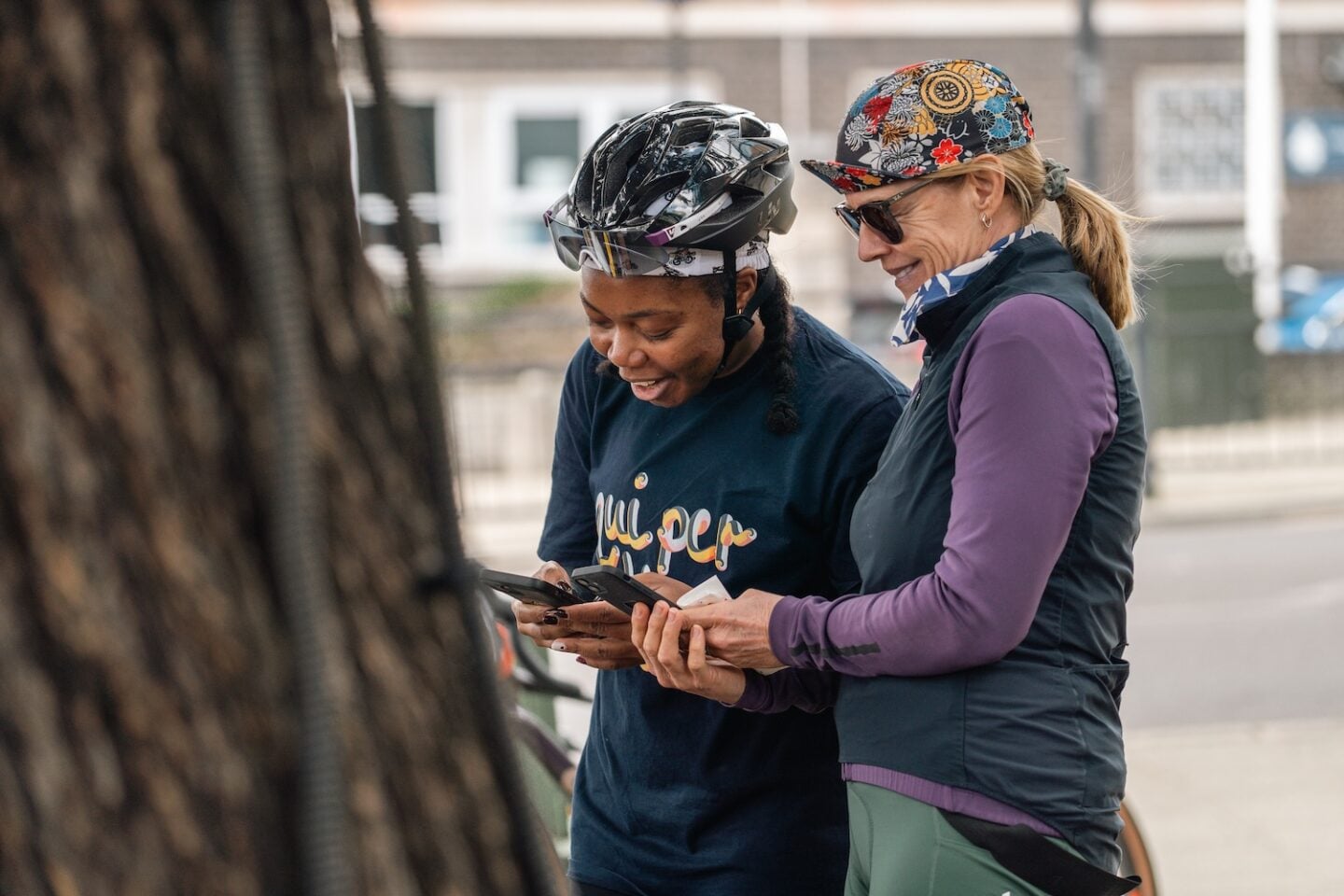
The right pair of cycling sunglasses needs to do more than block bright sunlight. Think about where and when you usually ride, the weather conditions you’re likely to encounter and how long you’ll be wearing them. Fit, coverage and lens choice can all make a difference.
Here are some of the main things I’d consider.
UV Protection
First things first: sunglasses should protect your eyes from harmful UV rays. Look for lenses offering UV400 or 100% UVA and UVB protection rather than assuming that a darker lens automatically means better protection.
This matters year-round, not just on obviously sunny days. You can still be exposed to UV when it’s cloudy, and if you’re heading out for a long ride, that can mean several hours outdoors.
Coverage and Field of Vision
There’s a reason cycling sunglasses tend to have much larger lenses than your average pair of shades.
A large lens can provide better coverage around your eyes while giving you a wider field of vision. That’s particularly useful on the bike, where you want good peripheral vision and need to be able to see what’s happening around you without moving your head unnecessarily.
Your riding position matters too. When you’re leaning forward on a road or gravel bike, you’ll often be looking through the top of the lens. You don’t want a chunky frame sitting directly in your line of sight.
This is one of the biggest differences I notice between my Ray-Ban Meta Wayfarers and dedicated cycling glasses. I can cycle in the Metas, but the smaller lenses and thicker frame are much more noticeable.
Lens Colour and Tint
Lens colour isn’t purely an aesthetic choice. Different lens tints can change how much visible light reaches your eyes and how you perceive contrast.
Darker lenses can be useful in bright sunshine, while lighter or higher-contrast lens tints may give you better visibility on cloudy days or in lower light. Some lenses are also designed to enhance contrast, which can make changes in the road surface, potholes and other details easier to distinguish.
You may see VLT, or visible light transmission, mentioned when comparing lens options. This is simply the percentage of visible light that passes through the lens. A lower VLT means less light gets through, making it better suited to bright conditions; a higher VLT lets more light through and can be more appropriate for low-light conditions.
Photochromic or Interchangeable Lenses?
If you regularly ride in different conditions, this is where things get interesting.
Photochromic lenses automatically change tint according to the amount of UV light they’re exposed to, becoming darker in bright conditions and lighter when there’s less light. That can make them a great option for rides where the weather changes or you’re constantly moving between bright sunshine and shade.
That versatility can be particularly useful for gravel and off-road riding through wooded areas, but also for those very British rides that somehow start in sunshine, become overcast and finish in completely different weather.
The alternative is an interchangeable lens system. Instead of one lens adapting to the conditions, you physically swap between different lenses. You might have a dark lens for sunny days and a spare clear lens for low-light conditions, for example.
Neither is automatically better. Photochromic lenses are convenient because you don’t have to think about lens swaps mid-ride, while interchangeable lenses give you more control over exactly which lens you use.
Polarised Cycling Sunglasses
Polarised lenses reduce glare reflected from surfaces such as wet roads and water, which can make them more comfortable in bright conditions.
However, polarised doesn’t automatically mean “better for cycling”. Depending on the lens and the screens you use, polarisation can sometimes make a bike computer or phone display harder to see from certain angles.
So rather than treating polarised lenses as an essential feature, I’d consider where you ride, how much glare you encounter and whether they play nicely with your cycling tech.
Fit and Comfort
The best cycling glasses on paper aren’t much use if you spend your entire ride pushing them back up your nose.
Look at how the glasses sit on your nose bridge and whether they have an adjustable nose piece or adjustable arms. They should feel secure without creating uncomfortable pressure points, particularly if you’ll be wearing them for several hours.
Your face shape and size matter here too. An oversized pair might offer excellent coverage but be completely impractical on a smaller face.
You’ll also want to check how they work with your helmet. The arms shouldn’t create uncomfortable pressure underneath your helmet or interfere with its retention system.
Frame style comes down partly to personal preference. Full-frame designs can feel more substantial, while frameless or rimless designs can reduce visual obstruction and often have a lighter feel. What matters most is getting the right fit for your face.
Ventilation and Lens Coatings
Sweaty face + glasses + stopping at a junction = hello, fog.
Good airflow around the lenses can help reduce fogging, which is why you’ll see vents incorporated into some cycling-specific designs.
Lens coatings are worth looking at too. A hydrophobic coating can help repel water and make it easier for rain and spray to run off the lens, while other coatings may help with smudges, scratches or fogging.
None of this sounds particularly exciting when you’re shopping for sunglasses, but clear vision when you’re descending in the rain suddenly makes it considerably more interesting.
Prescription Cycling Sunglasses
Needing prescription lenses doesn’t mean you’re stuck choosing between seeing where you’re going and wearing proper cycling glasses.
Some cycling sunglasses can be fitted directly with prescription lenses, while other performance styles use a prescription insert that sits behind the main lens. Contact lenses underneath standard cycling sunglasses are another option if you already wear them.
This is also one area where specialist advice can be useful, particularly with highly curved or wraparound frames where not every prescription will work with every design.
SmartBuyGlasses offers both prescription sport sunglasses and prescription inserts for compatible frames, with certified opticians available to advise on prescriptions, frames and lens options.
Ultimately, there isn’t one feature that automatically makes something the best cycling sunglasses. The right fit and lens setup for a road cyclist heading out in bright sunshine could be completely different from what someone needs for a winter commute or a mountain biker spending most of their ride under tree cover.
That’s why I’d start with how and where you actually ride, then choose your sunglasses accordingly.
Best Cycling Sunglasses to Consider in 2027

So, what does all of that look like when it comes to choosing an actual pair?
I’ve included a mix of cycling sunglasses I’ve personally tried and tested, alongside some options recommended by SmartBuyGlasses. I’ll make it clear which is which because there’s a big difference between telling you what I’ve actually worn on the bike and simply repeating what a product description says.
My Tried and Tested Cycling Sunglasses
For most of my riding throughout spring and summer 2026, I’ve been wearing sunglasses from Liv Cycling. I currently have two different pairs with two different lens technologies: the Liv Helio FotoVis in white and the Liv Lumea PolarVis in purple.
Liv Helio FotoVis
If I had to pick the feature I’ve found most useful for my riding, it would be the photochromic FotoVis lens on the Helio.
Liv’s FotoVis technology reacts to ambient UV light, automatically adjusting the tint as conditions change. The Helio also has a large, rimless lens designed to give you a wide field of vision, along with UV400 protection, an adjustable nose pad and vents to help with airflow. (Liv Cycling)
I notice the benefit of the photochromic lens most when I’m riding gravel. I spend quite a lot of time riding through Epping Forest, where the difference between being out in bright sunlight and underneath dense tree cover can be huge.
Rather than having sunglasses that are perfect when I’m out in bright sunshine but suddenly feel far too dark when I enter the forest, the FotoVis lens adapts as the light changes. Then, when I come back out into brighter conditions, the tint changes again.
That also makes them useful before and after a ride. You don’t necessarily need to think about swapping between clear lenses and dark lenses as the conditions change.
I’ve found the Helio comfortable, the coverage is good and, after wearing them regularly for several months, the photochromic lens is the feature that really sells them for me.
Liv Lumea PolarVis
I also have the Liv Lumea PolarVis in purple, which takes a different approach.
Instead of adapting its tint to changing light, the PolarVis lens uses polarisation to reduce glare from things such as bright sunlight, roads and water. The Lumea also offers 100% UV protection, an adjustable non-slip silicone nose pad and interchangeable lenses. At 30g, they’re lightweight too. (Liv Cycling)
Again, I’ve found them comfortable with good coverage and I’ve happily worn them for longer rides.
Having both pairs has actually been a useful reminder that there isn’t necessarily one perfect lens for every ride. If I know I’m going to be moving repeatedly between bright light and darker woodland, I’m particularly drawn to the Helio FotoVis. If conditions are consistently bright and glare is more of a consideration, a polarised lens like the Lumea PolarVis makes sense.
Which one you prefer is ultimately going to depend on where you ride and the conditions you ride in most often.
Cycling Sunglasses Recommended by SmartBuyGlasses
As part of this collaboration, I also asked SmartBuyGlasses to recommend some of the sunglasses in their range that cyclists might want to consider.
Just to be completely transparent: I haven’t personally tried the five pairs below, so these aren’t reviews from me. Instead, these are SmartBuyGlasses’ picks, giving you a few more options to investigate depending on your budget, prescription needs and the type of sunglasses you prefer.
SmartBuy Active Speedex
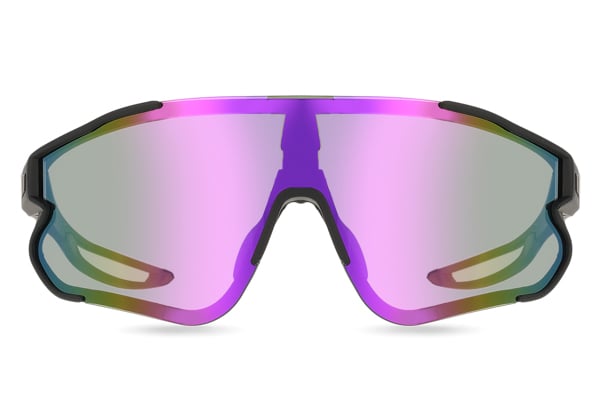
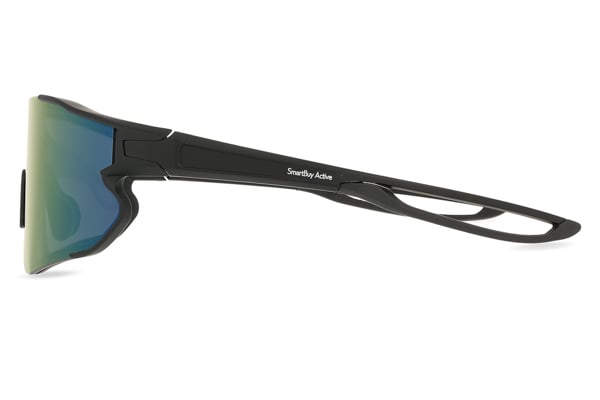
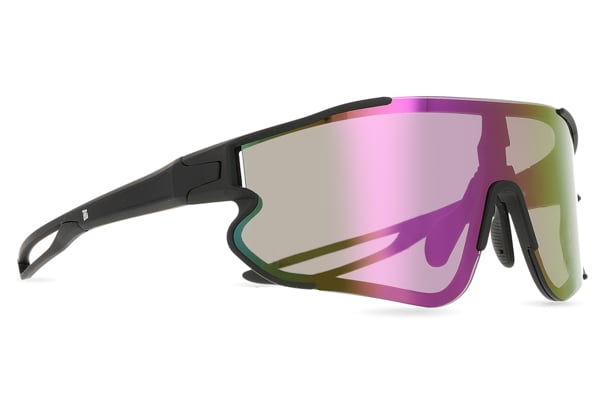
The SmartBuy Active Speedex is an interesting option if you need vision correction because it’s designed to be used with an RX prescription insert.
That means you can still get the large, sporty lens and coverage associated with performance sunglasses without having to rely on contact lenses while you ride.
If finding prescription cycling sunglasses has previously limited your choices, this could be a good place to start.
Oakley OO9528 Neoforma
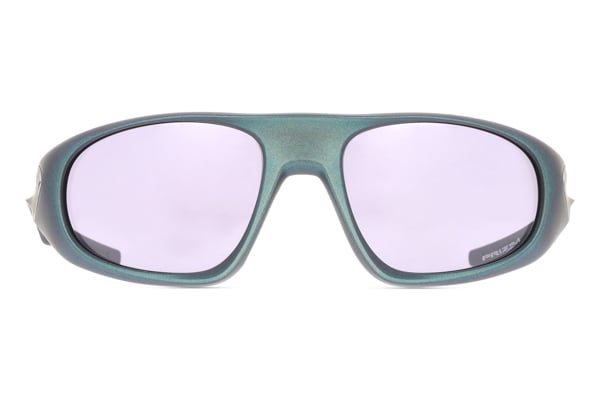
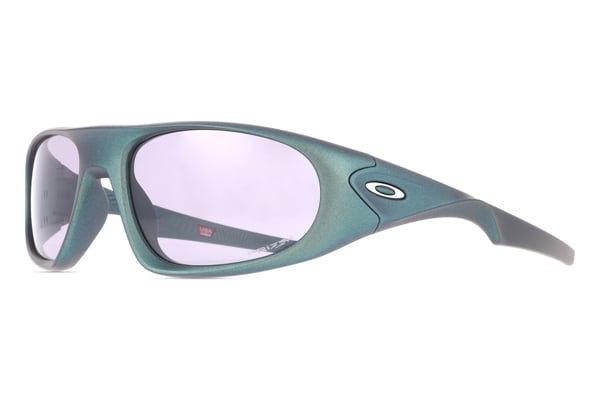
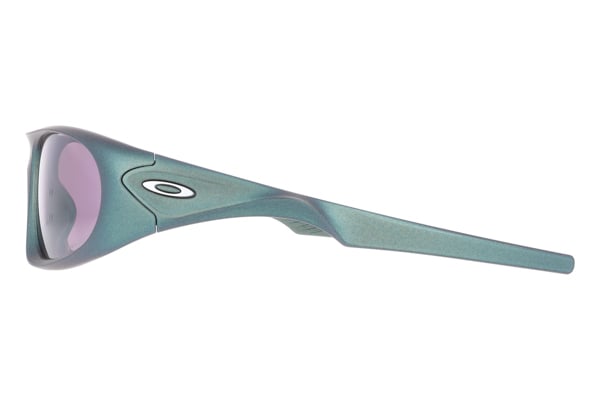
Oakley is obviously a huge name in cycling eyewear, and the Neoforma brings that distinctive performance-inspired Oakley look.
The large lens and wraparound style make it much closer to what many of us picture when we think of modern cycling sunglasses, with plenty of coverage and a wide field of view.
If you like the oversized style of cycling glasses but still want something you could potentially wear away from the bike, this is one to investigate.
Bollé Anaconda Polarized
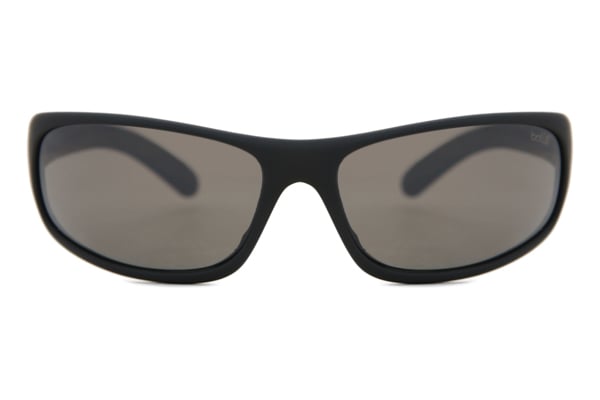
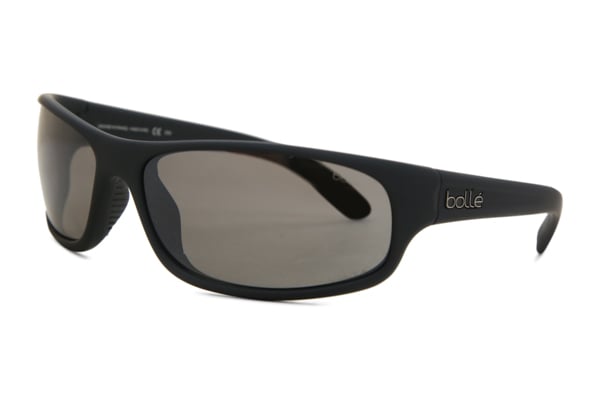
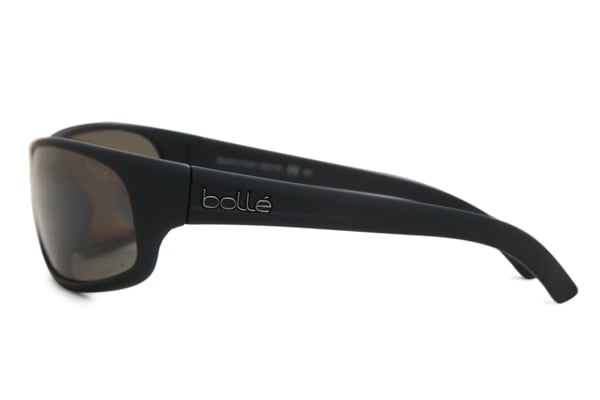
The Bollé Anaconda is the polarised option among SmartBuyGlasses’ recommendations.
As we covered earlier, polarised lenses can help reduce reflected glare, making them worth considering if you regularly ride in bright conditions.
The Anaconda also has a more traditional sunglasses shape than the oversized shield-style glasses that have become popular in cycling. If you’re not a fan of the full-on pro-cyclist look, that alone might make these more appealing.
Oakley OO9265 Latch
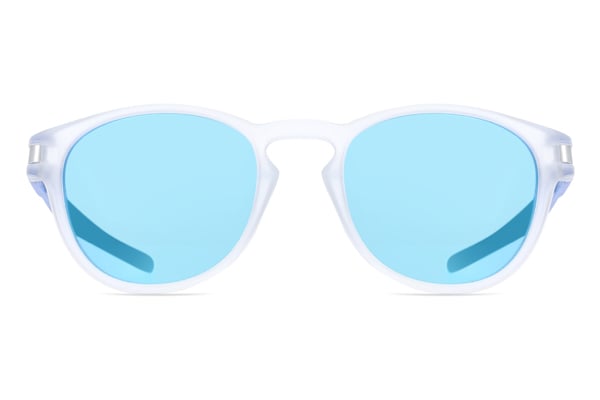
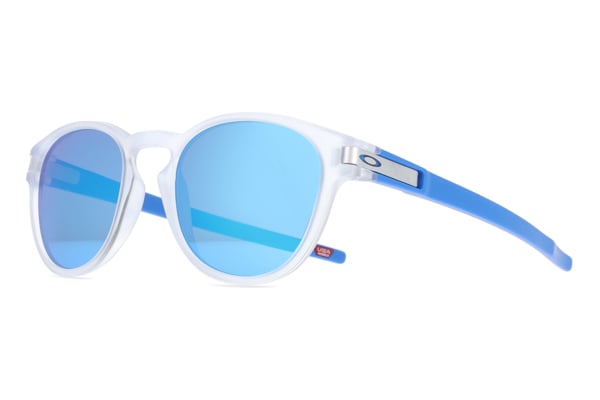
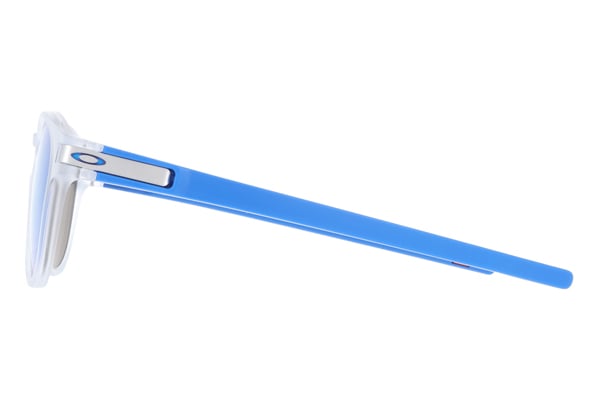
The Oakley Latch is another lifestyle-looking option rather than a dedicated pair of cycling glasses.
That could make them more appealing if you want one pair of sunglasses that can come with you on casual rides, commuting and everyday life rather than something you’ll only ever wear with cycling kit.
Personally, if performance on the bike was my main priority, I’d still be looking carefully at things like coverage and field of vision compared with a larger cycling-specific lens — particularly after my experience riding in the similarly lifestyle-shaped Ray-Ban Metas.
Nike Skylon Ace
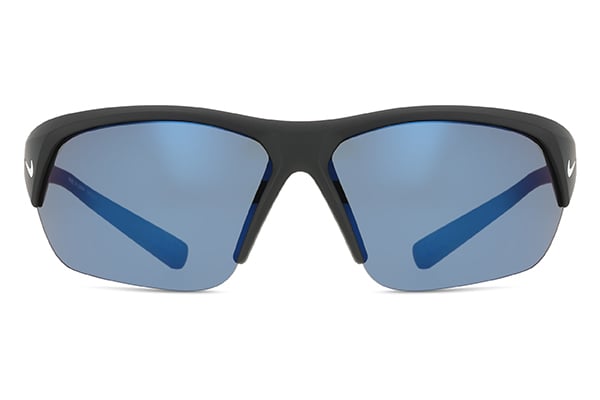
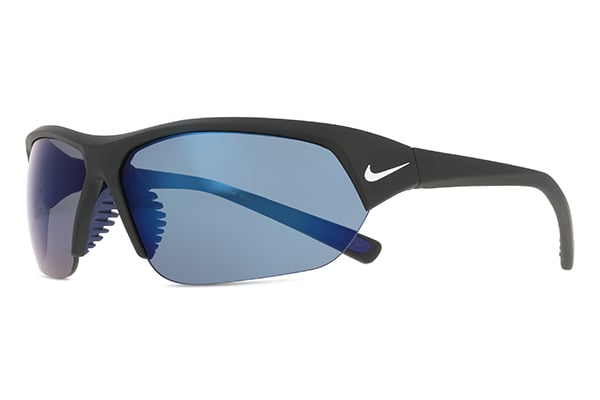
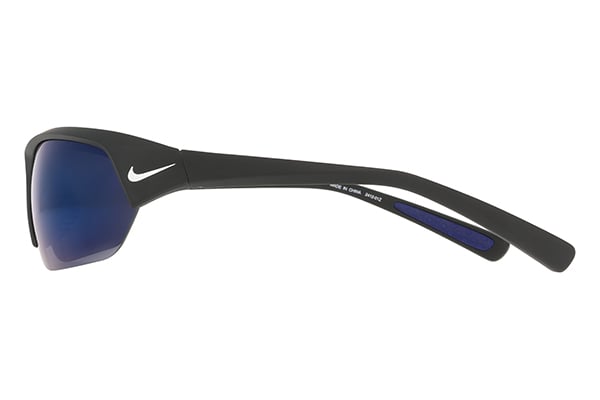
The Nike Skylon Ace sits somewhere between everyday sunglasses and the larger shield-style performance glasses.
The sportier wraparound shape makes it an option worth looking at if you want good coverage without necessarily wanting a huge single lens across your face.
As with all of these options, the important thing is to look beyond the brand or style and think about whether the lens, fit and coverage suit the kind of riding you actually do.
Get 10% Off at SmartBuyGlasses
If you do find a pair you fancy, you can use my code ELLE10 to get 10% off all frames and lenses at SmartBuyGlasses until 30 June 2027.
And importantly for cyclists who need vision correction, the discount isn’t limited to standard sunglasses. It applies to frames and lenses, so you can also use it towards prescription eyewear.
SmartBuyGlasses stocks more than 350 designer and performance eyewear brands across a range of price points. Many of its sport sunglasses can be fitted with prescription lenses, while compatible performance frames that can’t be glazed directly may be available with prescription inserts instead.
There are also options to customise compatible lenses with features such as polarisation, photochromic technology and protective coatings. If you’re not sure what will work with your prescription or chosen frame, SmartBuyGlasses also has certified opticians who can help with frame selection, prescriptions and lens options.
Use code ELLE10 for 10% off frames and lenses until 30 June 2027.
Which Lens Colour Is Best for Cycling?
There isn’t one lens colour that’s best for every cyclist. The right choice depends on the light and weather conditions you usually ride in, and this is where looking at visible light transmission (VLT) can be more useful than choosing based on colour alone.
VLT tells you how much visible light passes through a lens. A lower percentage blocks more light and is better suited to bright conditions, while a higher percentage allows more light through for cloudy days and low-light conditions.
As a general guide:
| Riding conditions | Lens options to consider | Why |
|---|---|---|
| Bright sunlight | Dark grey, green or brown lenses | Reduce bright light while maintaining clear vision |
| Mixed/changeable conditions | Photochromic lenses | Adjust their tint as light conditions change |
| Cloudy or overcast days | Amber, rose or yellow lenses | Can increase contrast and help you pick out details |
| Low-light riding | Clear or very lightly tinted lenses | Maximum visibility while still protecting your eyes from wind and debris |
| Bright conditions with lots of glare | Polarised lenses | Help reduce reflected glare from surfaces such as wet roads and water |
Personally, I think versatility is particularly useful for cycling. A ride can start in bright sunshine, head underneath dense tree cover and finish under completely different skies a few hours later.
That’s one of the reasons I’ve enjoyed using photochromic lenses on my Liv Helio FotoVis glasses. I don’t have to decide before every ride whether I need dark or clear lenses, and I don’t need to carry a spare clear lens and stop for lens swaps when the conditions change.
If you mostly ride in predictable bright sunshine, you may prefer a fixed dark lens. If you regularly ride in different conditions — particularly if your routes take you in and out of woodland — a photochromic lens could be a much more practical choice.
And remember that lens colour and lens quality aren’t the same thing. Whatever tint you choose, UV protection, visual clarity, fit and coverage should still be part of the decision.
Road vs Gravel: Do You Need Different Cycling Sunglasses?
I ride both road and gravel, and I don’t think you necessarily need a completely different pair of sunglasses for each. What matters more is choosing the right lens and features for the conditions you’ll be riding in — although, for me, style comes into it too.
For road cycling, I tend to prefer proper performance cycling glasses with good coverage and a wide field of vision, particularly when riding at higher speeds. You need to be able to see what’s happening around you while also spotting changes in the road surface ahead. A large lens can also help protect your eyes from wind, insects and whatever else decides to fly directly towards your face.
Gravel feels a little more laid-back to me, and sometimes I like my sunglasses to match that. Not everyone rides gravel in full Lycra. Sometimes I’ll be in a T-shirt and cargo-style cycling shorts, and I quite like wearing more lifestyle-looking frames with that kind of outfit.
If you’re wondering what else to wear, I have a whole guide on what to wear gravel cycling.
There are still some practical things to think about, though. Gravel can mean dust, mud, stones and other debris being kicked up, plus branches and insects when you’re riding through woodland, so decent eye coverage is still important even if you opt for a more casual-looking pair of shades.
The biggest consideration for me is the changing light. A lot of my gravel riding takes me through forest and woodland, where I can go from bright sunshine into surprisingly dark tree cover and back out again within the same ride. That’s where I’ve found photochromic lenses particularly useful because they adapt as the light changes.
Mountain bikers riding wooded trails may find the same thing. A very dark lens might be perfect when you’re out in bright sunshine but make it harder to see the trail clearly once you head underneath dense tree cover.
If your glasses have interchangeable lenses, another option is choosing your lens before the ride based on the weather and route. A clear lens can also be a great option for very low-light riding when you still want physical protection for your eyes without significantly reducing the amount of light reaching them.
Ultimately, I’d choose cycling glasses based less on whether your bike has drop bars or chunky tyres and more on where you’re riding, the conditions, the protection you need and, quite frankly, what you fancy wearing that day.
FAQs About Choosing Cycling Sunglasses
Yes, particularly if you regularly ride in changing light conditions. Photochromic lenses automatically become darker or lighter in response to UV light, so you don’t need to stop and swap lenses as conditions change.
I find them particularly useful for gravel riding because I’m often moving between bright sunlight and darker woodland. They can also be a great option for long rides where the weather is likely to change while you’re out.
Polarised sunglasses can be useful for cycling because they reduce reflected glare, particularly in bright conditions or when riding around wet roads and water.
They aren’t essential, though. Polarisation can make some digital displays harder to see from certain angles, so check how a pair works with your bike computer or phone before deciding they’re the perfect choice.
It depends on the conditions. Darker grey, green and brown lenses can work well in bright sunshine, while yellow, amber and rose tints can increase contrast in cloudy or lower-light conditions. Clear lenses are useful when there isn’t enough bright light to warrant a tint but you still want eye protection.
If you regularly encounter several different conditions on one ride, photochromic lenses can remove some of the guesswork by changing tint automatically.
Yes. Some cycling glasses can be fitted directly with prescription lenses, while others can accommodate a prescription insert behind the main performance lens.
Another option is wearing contact lenses underneath standard cycling sunglasses.
SmartBuyGlasses offers both prescription sport sunglasses and prescription inserts for compatible frames, so needing vision correction doesn’t mean you’re limited to standard everyday glasses on the bike.
Clear lenses can be really useful for riding in low-light conditions, at night or on very overcast days.
Remember, cycling glasses aren’t only there to protect you from bright sunlight. A clear lens can still protect your eyes from wind, insects, dust and debris without making your surroundings darker.
If you use an interchangeable lens system, having a spare clear lens can give you another option when conditions aren’t suitable for your usual tinted lens.
Generally, the arms of your cycling sunglasses should sit over your helmet straps rather than underneath them.
As well as usually being more comfortable, it means your glasses aren’t trapped beneath the straps if they need to come away from your face. However, helmet and glasses designs vary, so the most important thing is that everything fits securely and comfortably without interfering with your helmet.
A higher price can get you features such as better optics, specialist lens technology, lighter materials, adjustable components and high-quality coatings — but a bigger price tag doesn’t automatically make something the right pair for you.
I’d prioritise UV protection, clear vision, good coverage and a comfortable, secure fit first. After that, features such as photochromic lenses, interchangeable lenses, premium coatings and frame design come down to your riding and personal preference.
There are cycling sunglasses available across a huge range of price points, so you don’t necessarily need the most expensive pair to get something that works well.
Choosing the best sunglasses for cycling really comes down to how, where and when you ride. The right pair for bright summer road rides might not be the right choice for gravel adventures through shady woodland, commuting year-round or heading out in low-light conditions.
For me, having tried everything from lifestyle frames and my Ray-Ban Meta glasses to dedicated cycling sunglasses, I’m increasingly a fan of having options. I love the convenience of photochromic lenses for changeable conditions, but sometimes — particularly on a more laid-back gravel ride — I just want a pair of shades that works with what I’m wearing.
So rather than getting too caught up in finding the perfect cycling sunglasses, think about UV protection, coverage, visibility, comfort and the conditions you ride in most. Then find the pair that ticks the right boxes for you.
And if you find them at SmartBuyGlasses, you can use my code ELLE10 for 10% off all frames and lenses until 30 June 2027, including prescription eyewear.
Elle

