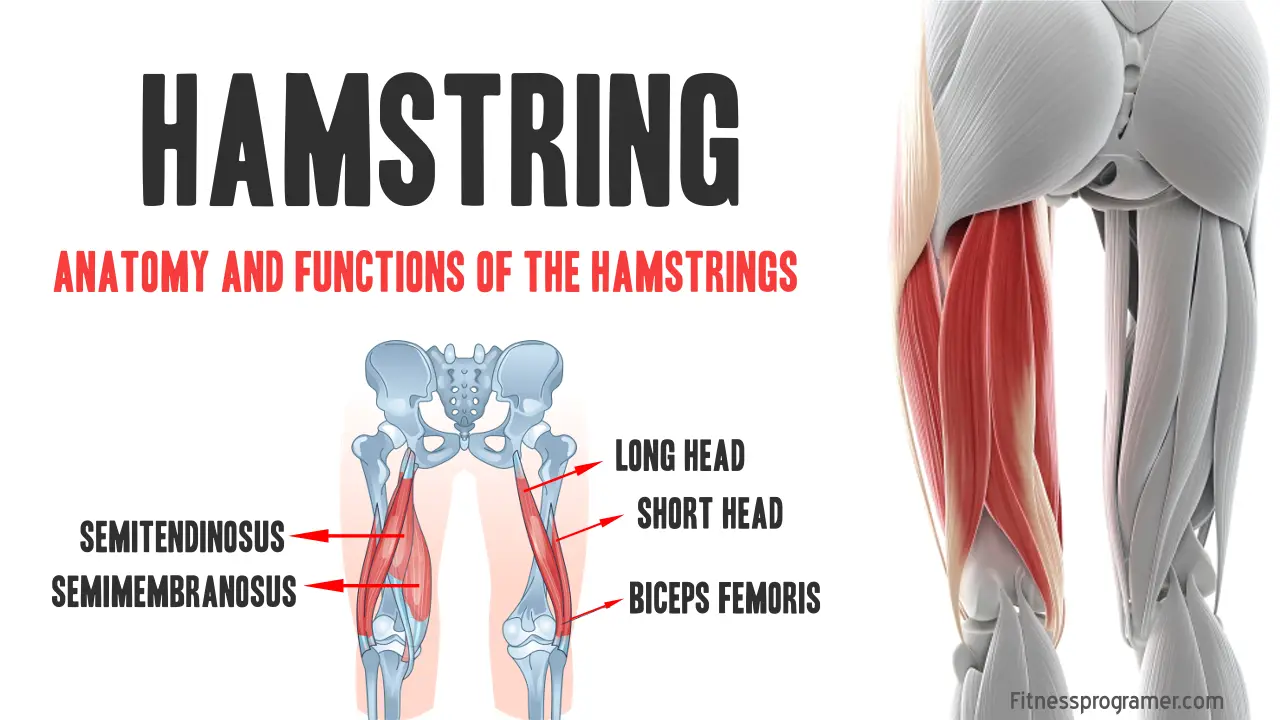
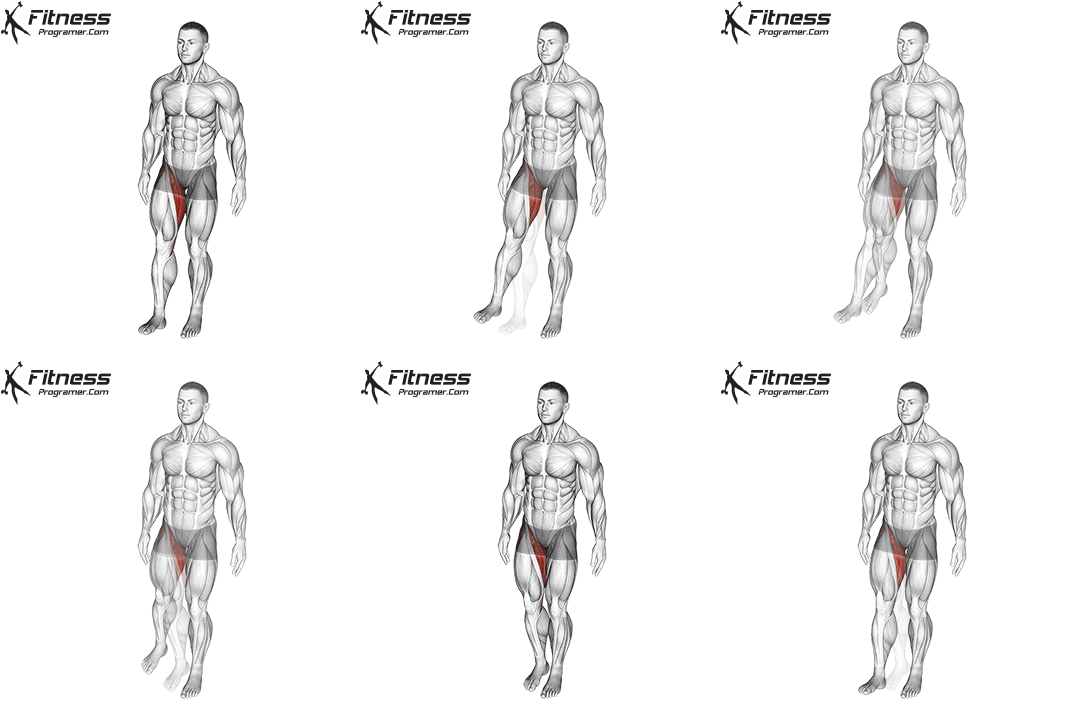
The hamstrings are a group of three large muscles located at the posterior compartment of the thigh. They span both the hip and knee joints, playing a vital role in lower body movement, including walking, running, squatting, and stabilizing the pelvis.
The Three Hamstring Muscles
The hamstring group consists of:
- Biceps Femoris (long and short head)
- Semitendinosus
- Semimembranosus
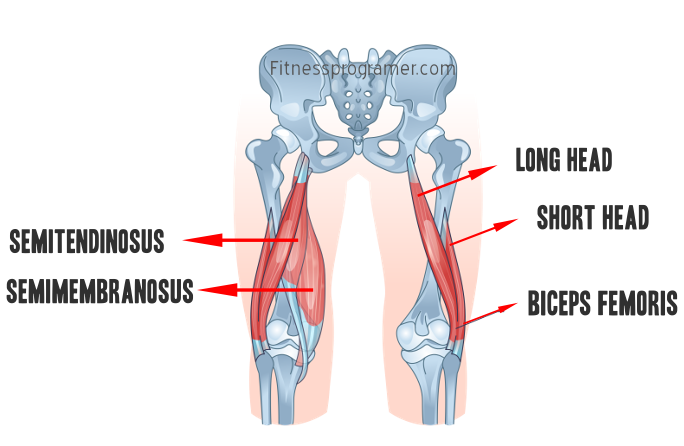
These muscles originate from the ischial tuberosity of the pelvis (except the short head of the biceps femoris, which originates on the femur) and insert below the knee on the tibia or fibula. They are biarticular muscles, meaning they cross both the hip and knee joints.
1. Biceps Femoris
- Long Head Origin: Ischial tuberosity (pelvis)
- Short Head Origin: Linea aspera of the femur
- Insertion: Head of the fibula
- Function:
- Knee flexion
- Lateral rotation of the leg when the knee is flexed
- Hip extension (long head only)
2. Semitendinosus
- Origin: Ischial tuberosity (pelvis)
- Insertion: Medial surface of the proximal tibia (part of the pes anserinus)
- Function:
- Knee flexion
- Medial rotation of the leg when the knee is flexed
- Hip extension
3. Semimembranosus
- Origin: Ischial tuberosity (pelvis)
- Insertion: Posterior surface of the medial tibial condyle
- Function:
- Knee flexion
- Medial rotation of the leg
- Hip extension
Functions of the Hamstrings Muscle Group
- Knee Flexion – The hamstrings bend the knee, essential in running and walking.
- Hip Extension – They extend the hip joint, propelling the body forward during activities like sprinting and deadlifts.
- Posterior Pelvic Tilt – They help stabilize the pelvis during movement.
- Eccentric Control – Act as decelerators for the forward motion of the leg, crucial in injury prevention.
How to Train the Hamstrings Effectively
A balanced hamstring program includes both:
- Hip-dominant exercises (targeting hip extension)
- Knee-dominant exercises (targeting knee flexion)
Top Compound Exercises:
These engage the hamstrings along with glutes and other posterior chain muscles.
Top Isolation Exercises:
Isolation exercises are ideal for muscle growth and correcting imbalances.
Volume and Intensity Guidelines
- Frequency: 2–3x per week
- Reps:
- Hypertrophy: 8–12 reps
- Strength: 3–6 reps
- Endurance: 12–20 reps
- Sets: 3–5 per exercise
- Rest: 60–120 seconds depending on goal
Training Tips
- Eccentric Emphasis: Incorporate exercises that focus on the lengthening phase to enhance muscle resilience.
- Glute Activation: Ensure the glutes are engaged to support hip extension movements.
- Unilateral Movements: Include single-leg exercises to address imbalances and improve stability.
- Form and Technique: Prioritize proper form to maximize effectiveness and reduce injury risk.
Muscle Activation Considerations
Exercises like Kettlebell Swings, Nordic Hamstring Curls and Romanian Deadlifts have been shown to elicit high levels of hamstring activation. Emphasizing a full range of motion and controlled eccentric phases can lead to significant strength and hypertrophy gains.
Hamstrings and Athletic Performance
Robust hamstring muscles are integral to various athletic endeavors:
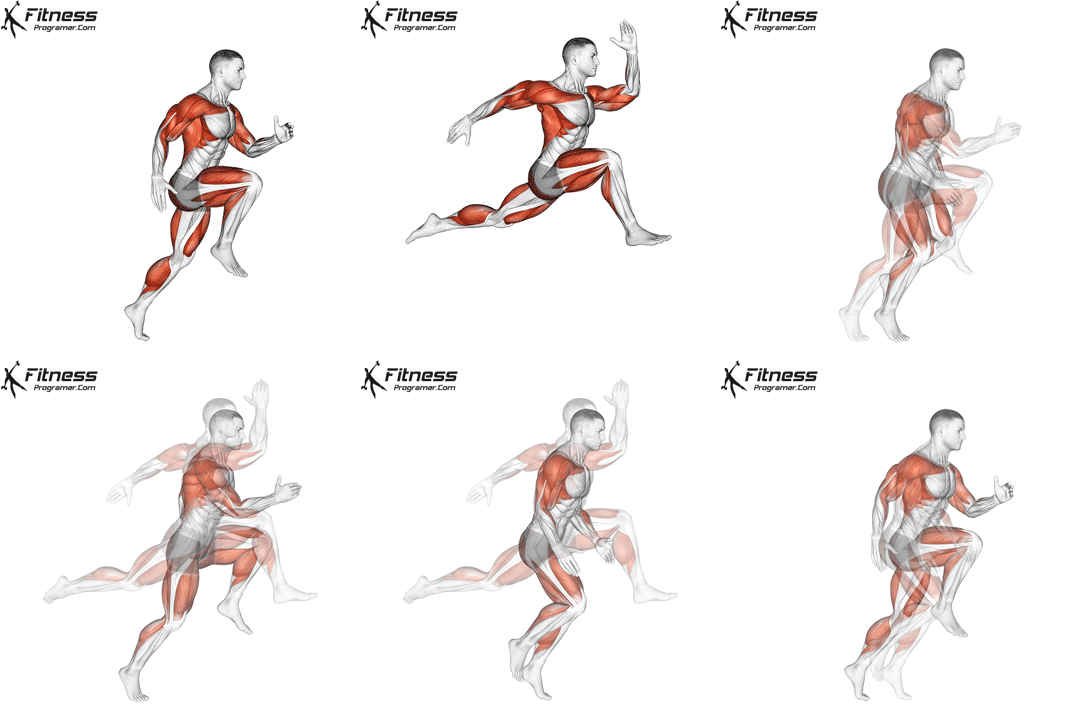
- Sprinting: Facilitate powerful hip extension and knee flexion.
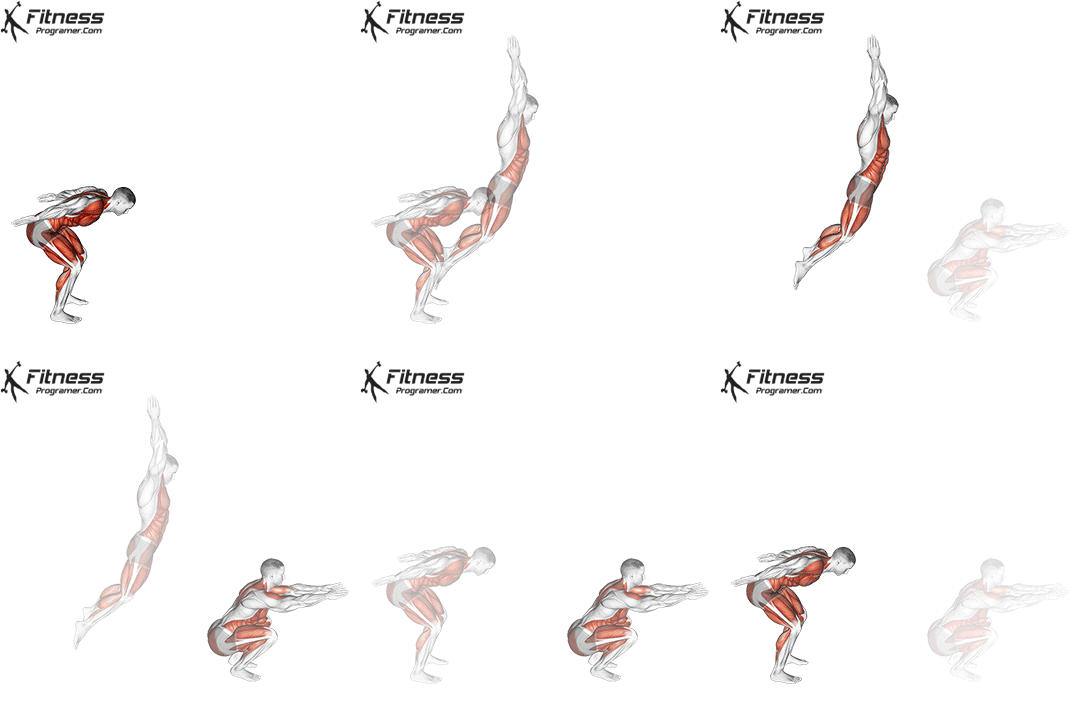
- Jumping: Contribute to explosive take-offs and controlled landings.
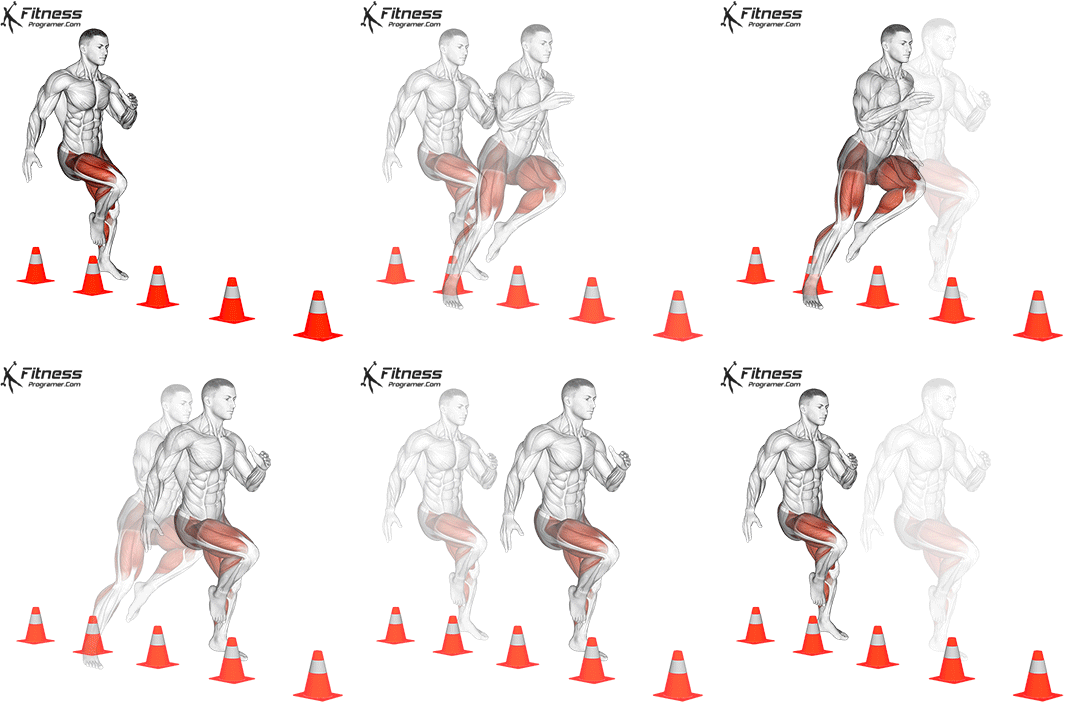
- Directional Changes: Aid in agility and quick transitions.
- Lifting: Support movements like deadlifts and squats by stabilizing the posterior chain.
Injury Prevention and Common Imbalances
Common Injuries:
- Hamstring Strains: Ranging from mild overstretching to complete tears.
- Tendinopathies: Degenerative conditions affecting the hamstring tendons.
- Avulsion Fractures: Where the tendon pulls away from the bone, often requiring surgical intervention.
Prevention Tips:
- Progressive Overload: Gradually increase training intensity to allow adaptation.
- Dynamic Warm-Ups: Prepare the muscles for activity through movement-based stretching.
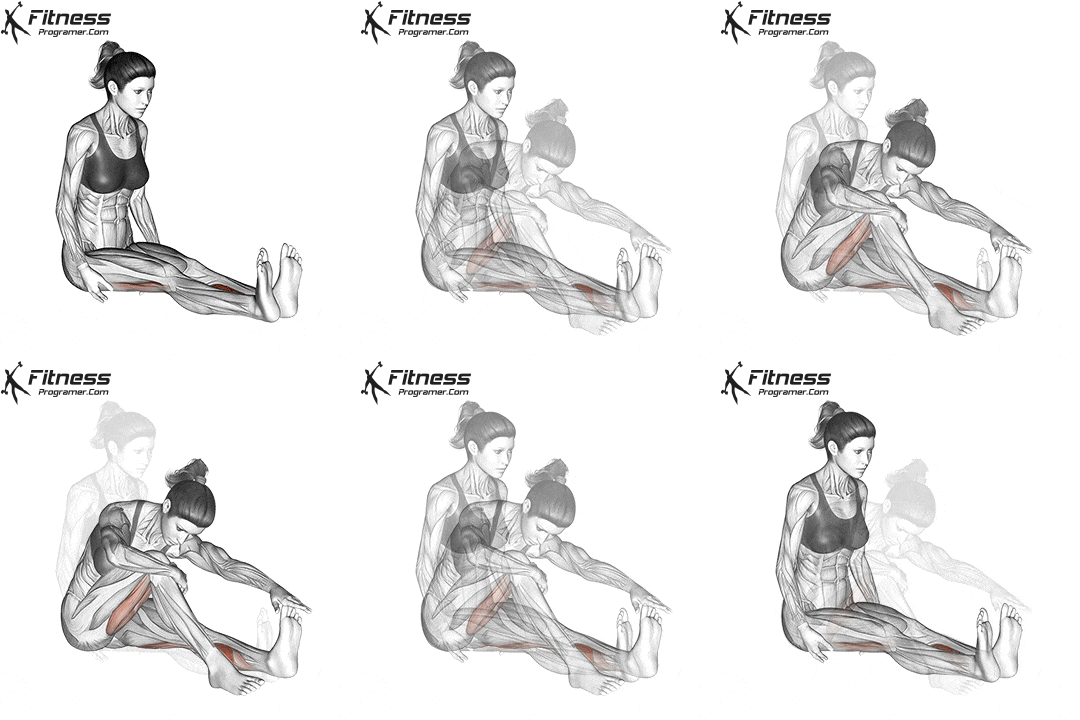
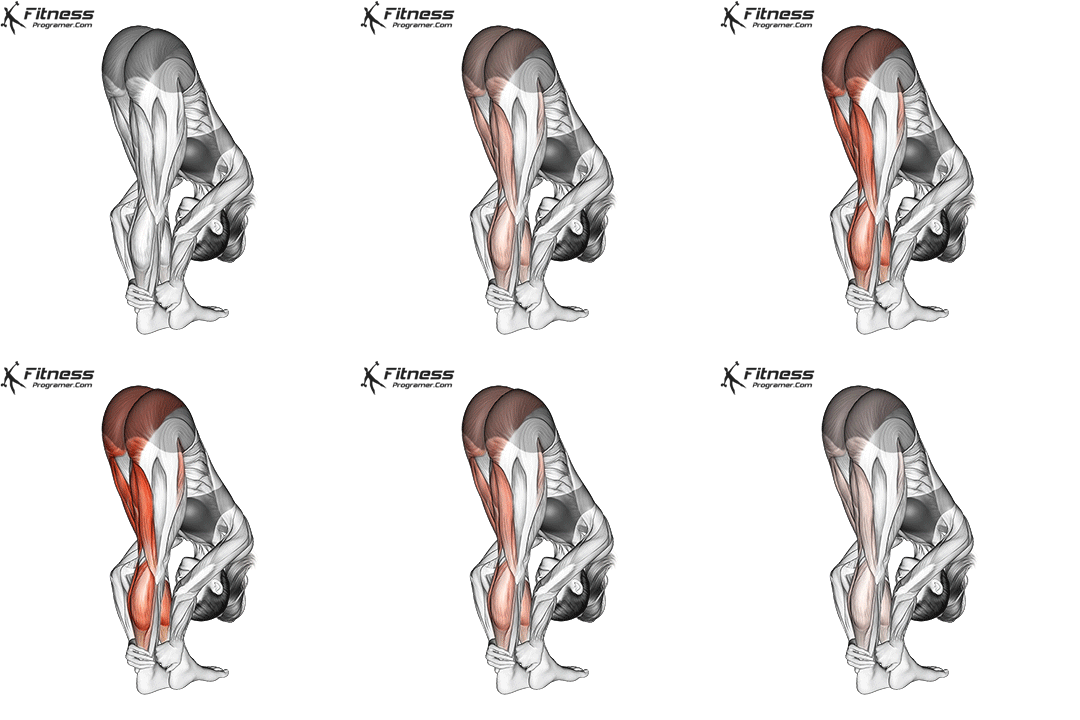
- Flexibility Training: Incorporate static and dynamic stretches to maintain muscle elasticity.
- Strengthening Exercises: Focus on both concentric and eccentric movements to build resilience.
Key Takeaways: Why the Hamstrings Matter
- The hamstrings play a critical role in lower body movement, stability, and athletic performance.
- Balanced training that includes both strength and flexibility components is essential.
- Preventative measures, including proper warm-ups and progressive training, can mitigate injury risks.
- Understanding the anatomy and function of the hamstrings can inform effective training and rehabilitation strategies.
References
- Moore KL, Dalley AF, Agur AMR. Clinically Oriented Anatomy. 8th ed. Lippincott Williams & Wilkins; 2017.
- Opar DA, Williams MD, Shield AJ. Hamstring strain injuries: factors that lead to injury and re-injury. Sports Med. 2012;42(3):209-226.
- Bourne MN, et al. Effect of eccentric exercise on hamstring architecture. Br J Sports Med. 2017;51(5):369–377.
- American Academy of Orthopaedic Surgeons. Hamstring Injury Guide
- McCall A, et al. Risk factors, testing and prevention of hamstring injuries in professional football. Br J Sports Med. 2014;48(2):135–136.
- Biceps Femoris Activation during Hamstring Strength Exercises: A Systematic Review

Posted by
Thomas Richards
Thomas is a trainer with 10+ years of experience as a Personal trainer and Sports Performance Coach. He holds an ‘International Sports Science Association’ (ISSA)- certification for personal training and under the ‘National Sports Performance Association’ (NSPA) a certification in Speed and Agility Coaching (CSAC).

